What Everyday Changes Are Necessary During Cancer Treatment?
Cancer treatment can bring changes to your daily life, but with a few simple adjustments, you can continue many of your usual activities and maintain a good quality of life.

Going through cancer treatment often means attending medical appointments, undergoing procedures, and managing side effects. While these changes can be challenging, it’s important to know that you don’t have to stop doing the things you enjoy. With some planning and support, you can adapt your routine and continue living your life in a way that feels meaningful and manageable.1
Maintaining Your Routine with a Few Adjustments
Start by having a conversation with your doctor about any physical limitations or precautions you should take. If your overall health allows, you may still be able to work, study, spend time with loved ones, and stay active. The key is to prioritise your treatment and adjust other activities around it.1,2
Here are some helpful tips:
Work: If you prefer to keep your health private at work, that’s completely your choice. You are not required to tell your employer about your cancer, but doing so can help them provide support and legally required adjustments. Remember, it’s okay to ask for help. The question of whether to share the news is ultimately your decision, but co-workers knowing can help you feel supported.2
Physical Activity: If you already have an exercise routine, try to keep it up as much as you comfortably can. If you’re new to exercise, this might be a good time to start—just check with your doctor first. Even gentle activities like walking can help reduce fatigue, improve your fitness, and boost your mood. Exercising with a friend or family member can also help keep you motivated.3,4
Social Connections: It’s normal to want some time alone after a cancer diagnosis. But staying connected with others is important for your emotional wellbeing. Talking to a counsellor or joining a support group can be very helpful. Try to keep doing things that bring you joy, whether it’s a hobby or spending time with loved ones.5,6
Why It’s Important to Adjust Certain Habits During Treatment
While staying active and engaged is beneficial, some habits may need to change during treatment to help you feel better and avoid complications:
Alcohol: It’s best to avoid alcohol during cancer treatment unless your doctor advises otherwise. Alcohol can worsen side effects such as dry mouth and may contribute to dehydration, especially during chemotherapy or radiation. While there’s no clearly safe amount, even small amounts may increase discomfort or interfere with treatment.7,8
Smoking: Tobacco contains harmful chemicals that can interfere with your treatment and recovery. If you’re having surgery, quitting smoking at least three to four weeks beforehand can significantly reduce your risk of complications—by as much as 30% to 50%.9,10
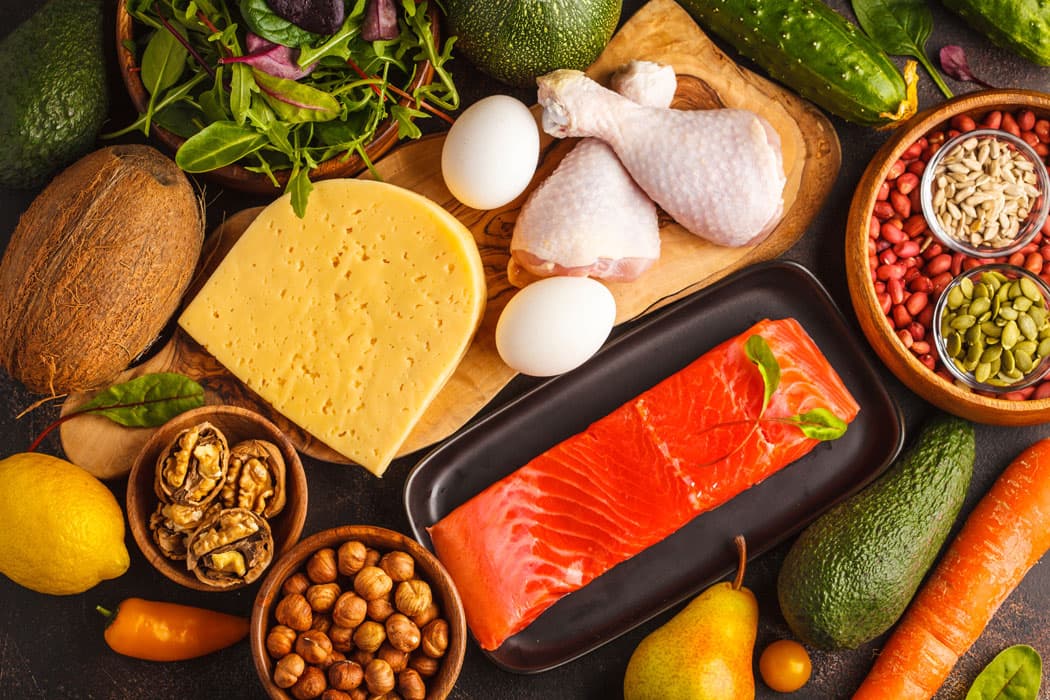
Nutrition: Your body’s nutritional needs may change during treatment. Eating well can help you maintain your strength, energy, and overall wellbeing. Try to include foods rich in protein, fibre, fruits, and vegetables. If you’re losing weight or having trouble eating, speak with your healthcare team or a dietitian for support.11,12
Always check with your healthcare team to understand what activities and habits are safe for you during treatment and recovery.
References:
1. Cancer Council Queensland. Working during treatment or recovery [Internet]. Brisbane: Cancer Council Queensland; 2022 [cited 2025 Dec 18]. Available from: https://cancerqld.org.au/support-services/coping-with-cancer/topic/working-during-treatment-or-recovery/
2. Cancer Council Australia. Cancer, Work and You [Internet]. Sydney: Cancer Council Australia; 2021 [cited 2025 Dec 18]. Available from: https://www.cancer.org.au/assets/pdf/cancer-work-and-you-booklet
3. Cancer Council Australia. Exercise for People Living with Cancer [Internet]. Sydney: Cancer Council Australia; 2023 [cited 2025 Dec 18]. Available from: https://www.cancer.org.au/assets/pdf/exercise-for-people-living-with-cancer
4. Cancer Council WA. Physical activity after cancer [Internet]. Perth: Cancer Council WA; 2023 [cited 2025 Dec 18]. Available from: https://cancerwa.asn.au/cancer-support/living-well-after-treatment/physical-activity/
5. Cancer Council NSW. Getting support – Emotions and Cancer [Internet]. Sydney: Cancer Council NSW; 2024 [cited 2025 Dec 18]. Available from: https://www.cancercouncil.com.au/cancer-information/coping-with-a-diagnosis/emotions-and-cancer/getting-support/
6. Cancer Australia. Managing emotional changes due to cancer [Internet]. Canberra: Cancer Australia; 2024 [cited 2025 Dec 18]. Available from: https://www.canceraustralia.gov.au/impacted-by-cancer/emotions
7. Cancer Council Victoria. Drinking alcohol when you have cancer [Internet]. Melbourne: Cancer Council Victoria; 2024 [cited 2025 Dec 18]. Available from: https://www.cancervic.org.au/about-cancer/prevent-detect-cancer/prevention/limit-alcohol/drinking-alcohol-when-you-have-cancer
8. Cancer Council NSW. Dry Mouth – Nutrition and Cancer [Internet]. Sydney: Cancer Council NSW; 2025 [cited 2025 Dec 18]. Available from: https://www.cancercouncil.com.au/cancer-information/living-well/nutrition-and-cancer/treatment-side-effects-and-nutrition/dry-mouth/
9. Quit Victoria. Smoking and Surgery [Internet]. Melbourne: Quit Victoria; 2025 [cited 2025 Dec 18]. Available from: https://assets.quit.org.au/uploads/downloads/smoking-and-surgery.pdf
10. World Health Organization. Smoking greatly increases risk of complications after surgery [Internet]. Geneva: WHO; 2020 [cited 2025 Dec 18]. Available from: https://www.who.int/news/item/20-01-2020-smoking-greatly-increases-risk-of-complications-after-surgery
11. Cancer Council Victoria. Malnutrition and weight loss [Internet]. Melbourne: Cancer Council Victoria; 2025 [cited 2025 Dec 18]. Available from: https://www.cancervic.org.au/get-support/guides/managing-daily-life/nutrition/malnutrition
12. Cancer Council WA. Nutrition tips for people with cancer [Internet]. Perth: Cancer Council WA; 2024 [cited 2025 Dec 18]. Available from: https://cancerwa.asn.au/news/nutrition-tips-for-people-with-cancer/
Know more about the subject

Nutrition Support During Your Cancer Care Journey
Learn how good nutrition can help support you during cancer treatment.

Staying hydrated during treatment

Safe food handling with a weakened immune system

Common Questions About Hair Loss During Cancer Treatment
Hair loss is often associated with cancer treatment, but not everyone will experience it.

How to Prepare for Cancer Treatment Sessions
A few simple tips to eat well, stay comfortable, and manage your daily routine while undergoing cancer treatment.
Navigating Nutrition: Colon Cancer Diet Advice
Eating well and following a balanced, nutritious diet is one of the best ways you can prepare for colon cancer treatment1. But what is a healthy ‘colon cancer diet’?