How to Prepare for Cancer Treatment Sessions
A few simple tips to eat well, stay comfortable, and manage your daily routine while undergoing cancer treatment.

You may experience various physical, psychological, and routine changes during treatment. Below are some tips to help you maintain a better quality of life throughout this period.
Eating well during cancer treatment
Cancer treatment can affect your appetite and how your body handles nutrients. Eating well is especially important now – it can give you more energy, keep your muscles strong, and help your body cope with treatment side effects.1 Research shows that good nutrition during cancer therapy is linked to fewer treatment complications and shorter hospital stays.2
Here are some practical tips to maintain nutrition:
- Plan your meals: Save energy by planning meals for the week. Cook bigger batches on days you feel well and freeze portions for when you're too tired to cook.1
- Keep healthy snacks handy: Your body may need extra energy and protein to stay strong during treatment.1 Carry nutritious snacks (e.g. nuts, fruit, yoghurt, cheese and crackers) to keep your energy up throughout the day.3
- Stay hydrated: Drink water or other healthy fluids regularly. This helps your body function at its best and prevents dehydration, especially if you have side effects like diarrhoea or vomiting.1 Keep a water bottle with you and sip often.
- Eat small, frequent meals: If you don't feel like eating large meals, try having smaller meals or snacks every few hours.1 This can be easier on your stomach and still give you the nutrients you need.
- Include protein each time: Try to have some protein in every meal or snack (for example, eggs, dairy, lean meat, fish, beans, or a supplement drink that is protein enriched). Protein helps repair body tissues and maintain muscle.1,2
- Ask for expert advice: If you're losing weight or struggling with your diet, talk to your doctor or a dietitian. An Accredited Practising Dietitian can give you personalised advice and suggest nutrition supplements if needed.1 (No special "superfood" or diet can cure cancer1 – focus on a balanced diet that keeps you strong.) Also, check with your healthcare team before taking any new vitamins or supplements to make sure they're safe and won't interfere with your treatment.1
Every patient is different, so over time you'll find what works best for you. These tips can help you feel more in control and supported during cancer treatment. Don't hesitate to ask your health care team for help or advice at any stage.
References:
1. Cancer Council WA. Nutrition tips for people with cancer [Internet]. Perth: Cancer Council Western Australia; 2024 [cited 2025 Dec 9]. Available from: https://cancerwa.asn.au/news/nutrition-tips-for-people-with-cancer/
2. Delsoglio M, Capener R, Smith TR, Donald M, Hubbard GP, Stratton RJ. High-protein oral nutritional supplement use in patients with cancer reduces complications and length of hospital stay: a systematic review and meta-analysis. Front Nutr. 2025;12:1654637.
3. Cancer Australia. Eating [Internet]. Surry Hills (AU): Cancer Australia; 2025 May 5 [cited 2025 Dec 12]. Available from: https://www.canceraustralia.gov.au/impacted-by-cancer/keeping-healthy/eating
Know more about the subject

Nutrition Support During Your Cancer Care Journey
Learn how good nutrition can help support you during cancer treatment.

Staying hydrated during treatment

Safe food handling with a weakened immune system

Common Questions About Hair Loss During Cancer Treatment
Hair loss is often associated with cancer treatment, but not everyone will experience it.

What Everyday Changes Are Necessary During Cancer Treatment?
Cancer treatment can bring changes to your daily life, but with a few simple adjustments, you can continue many of your usual activities and maintain a good quality of life.
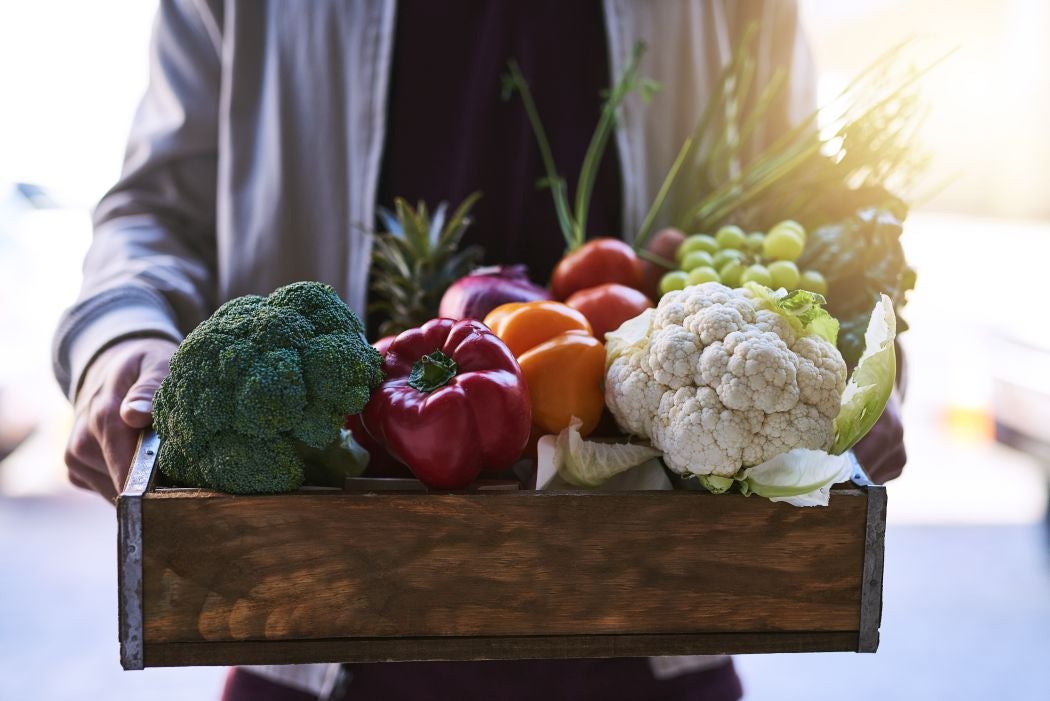
Vitamins and Minerals That Play a Major Role in the Battle Against Cancer
Ask your doctor or nutritionist about the need of taking vitamin and mineral supplements. Food supplements should not be used as a substitute for a varied diet.