How to cope with muscle loss

Muscle loss can occur with rapid weight loss during cancer treatment or when normal activity levels decrease. Losing muscle can make it harder to move around and do the things you enjoy. It can also be difficult to rebuild muscle once it’s lost, so preventing further muscle loss is important for maintaining strength 1,2.
Eat Plenty of Protein
- Protein provides the building blocks for your body’s tissues and muscles.
- During cancer treatment, your body needs more protein than usual 1,3.
- High-protein foods include chicken, fish, beef, pork, eggs, milk, cheese, yoghurt, cottage cheese, nuts and beans 1,3.
- Include a high-protein food at every meal or snack.
- If you’re struggling to get enough protein from food, consider adding an oral nutrition supplement or using a protein powder 3.
Stop Weight Loss
- Focus on maintaining your weight by eating small, frequent, high-calorie and high-protein meals 1,2.
- Muscle loss can make everyday tasks like preparing meals harder. Ask for help from friends and family and keep ready-made or easy-to-prepare items on hand for quick meals 1.
Stay Active
- Try to maintain your usual exercise routine if possible. If you’re not currently exercising, start gradually with a few minutes of light activity at a time 2,4.
- Daily activities such as collecting the mail, watering plants or folding laundry can help maintain muscle 2.
- Talk to your doctor before lifting heavy weights, especially after surgery. If you’ve lost strength or stamina, ask your doctor about a referral to a physiotherapist 4.
References:
1. Cancer Council NSW. Nutrition and muscle health during cancer treatment [Internet]. Sydney: Cancer Council NSW; 2025 [cited 2025 Nov 18]. Available from: https://www.cancercouncil.com.au/cancer-information/living-well/nutrition-and-cancer/muscle-health/
2. eviQ. Maintaining muscle strength during cancer treatment – Information for patients [Internet]. Sydney: Cancer Institute NSW; 2023 [cited 2025 Nov 18]. Available from: https://www.eviq.org.au/patients-and-carers/side-effects/muscle-loss
3. Queensland Health. Protein and energy tips for cancer patients [Internet]. Brisbane: Queensland Health; 2018 [cited 2025 Nov 18]. Available from: https://www.health.qld.gov.au/__data/assets/pdf_file/0026/154394/oncol_protein.pdf
4. Exercise & Sports Science Australia (ESSA). Exercise during and after cancer treatment [Internet]. Brisbane: ESSA; 2024 [cited 2025 Nov 18]. Available from: https://www.essa.org.au/Public/Consumer_Information/Cancer
Know more about the subject

Psycho-Oncology’s Help on Patients’ Professional and Social Life after Treatment
Therapeutic strategies allow facing the challenges of moving forward
A Guide To Cancer Diets: Battling Cancer With Nutrition
Eating a healthy, balanced diet helps give your body the nutrients, calories, and strength it requires to fight off diseases.
Rehabilitation Improves Cancer Patients’ Quality of Life
Several factors, such as age and disease progression, need to be taken into account in order to decide what kind of rehabilitation is best.1

Cancer Survivorship: Stages, Statistics, And Care

Nutrition and Cancer: Managing Symptoms Caused by the Disease and Treatments
Making certain dietary changes can help managing symptoms, reducing general discomfort, speeding recovery and improving quality of life.
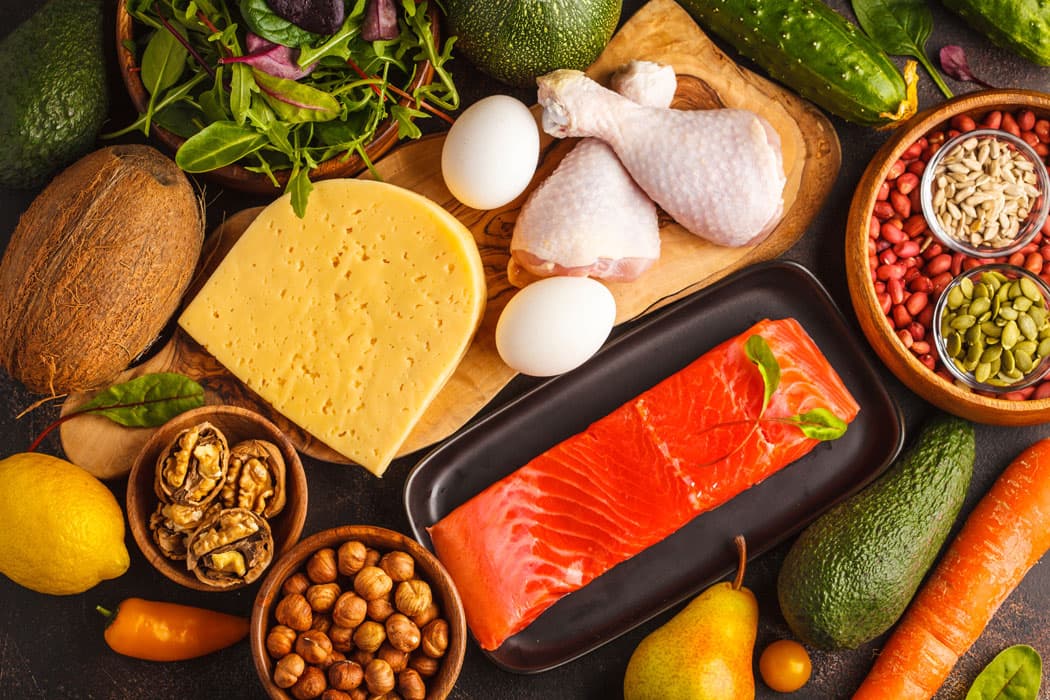
Navigating Nutrition: Colon Cancer Diet Advice
Eating well and following a balanced, nutritious diet is one of the best ways you can prepare for colon cancer treatment1. But what is a healthy ‘colon cancer diet’?