How to Cope with Constipation
Managing Constipation During Cancer Treatment
Constipation can happen because of certain cancer treatments and medications. Changes in your usual activity level and eating habits can also play a role. Constipation means having fewer bowel movements than normal for you or passing hard stools that are difficult to move 1,2.
Drink Plenty of Fluids
- Aim for at least 8 cups (about 2 litres) of fluids each day.
- Include a variety of drinks such as water, sparkling water, flavoured water, juice, tea, coffee and oral nutrition supplements.
- Warm drinks may help stimulate your bowels—try tea, coffee or warm prune juice 1,3.
Focus on Fibre
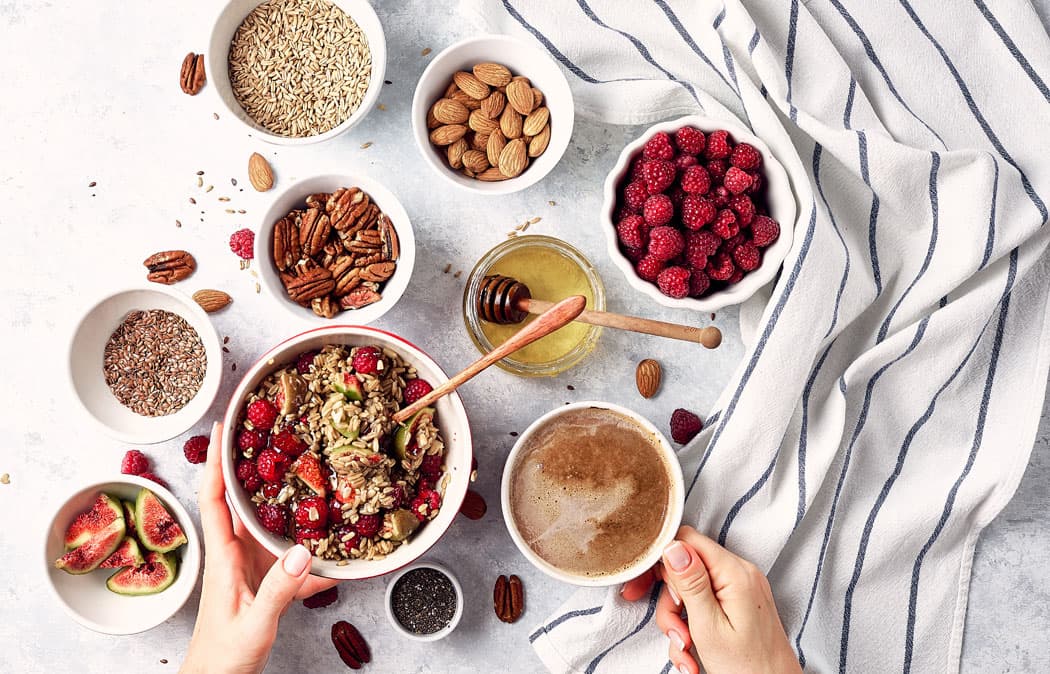
- Fibre helps keep your bowels moving and can help manage constipation.
- Aim for 25–35 grams of fibre each day.
- Increase fibre slowly to avoid cramping or discomfort. Try adding one high-fibre food per day so your body can adjust. If you don’t eat much fibre now, increase by no more than one serve of high-fibre foods each day 1,4.
List of High Fiber Foods to Choose More Often
| Food Group | High-Fiber Food |
| Fruits | 1 apple, banana, orange, pear ½ cup blackberries or raspberries 1 cup strawberries 4 dried prunes 3 dates |
| Vegetables | 1 artichoke ½ cup peas, acorn or butternut squash ½ cup cooked broccoli, brussel sprouts, cabbage, cauliflower, corn, spinach, turnip greens 1 small white or sweet potato with skin |
| Grains, Beans, Nuts and Seeds | 1 slice of whole grain bread 1/2 cup high fiber bran cereal 1 cup cooked oatmeal 2 T ground flaxseed ½ cup cooked kidney beans, black beans, lentils, navy beans ¼ cup almonds, peanuts |
Examples adapted from Cancer Council NSW and Queensland Health 1,4.
Get Moving
- Physical activity can help prevent and relieve constipation. Try adding some light exercise to your daily routine. Even short walks can make a difference 1,4.
- If you prefer exercising at home, look for online resources or classes that suit your ability and comfort level.
Talk to Your Doctor
- High-fibre foods can make you feel full, so if you have a poor appetite, it may be hard to get enough calories. Ask your doctor or dietitian for alternatives if you are struggling to eat enough 1,4.
- Some people with certain types of cancer should not eat a lot of fibre, so check with your doctor before starting a high-fibre diet 1,2.
- Diet and exercise alone may not always relieve constipation. Before starting over-the-counter laxatives, stool softeners or fibre supplements, talk to your doctor to find out which option is right for you 2,4.
References:
1. Cancer Council NSW. Constipation | Nutrition & Cancer [Internet]. Sydney: Cancer Council NSW; 2025 [cited 2025 Nov 18]. Available from: https://www.cancercouncil.com.au/cancer-information/living-well/nutrition-and-cancer/treatment-side-effects-and-nutrition/constipation/
2. li>eviQ. Constipation during cancer treatment – Information for patients [Internet]. Sydney: Cancer Institute NSW; 2023 [cited 2025 Nov 18]. Available from: https://www.eviq.org.au/getmedia/4217d163-7747-40e3-9256-94fe4877e767/3515-Constipation-during-cancer-treatment-v1.pdf.aspx?ext=.pdf
3. Stanford Health Care Cancer Nutrition Services. Nutrition Tips for Managing Constipation [Internet]. Stanford: Stanford Health Care; 2024 [cited 2025 Nov 18]. Available from: https://stanfordhealthcare.org/content/dam/SHC/clinics/cancer-nutrition-services/docs/nutrition-tips-managing-constipation-10-2024.pdf
4. Queensland Health. Constipation: Managing different causes [Internet]. Brisbane: Queensland Health; 2018 [cited 2025 Nov 18]. Available from: https://www.health.qld.gov.au/__data/assets/pdf_file/0026/154394/oncol_constipation.pdf
Know more about the subject

What Does the Information on Nutrition Facts and Food Labels Mean?
Knowing what you're eating helps you make healthier choices.

The Cancer Diagnosis’ Psychological Impact
Anxiety, irritability, apathy, sadness, and depression are common feelings amongst cancer patients.1

Radiotherapy

How to Have a Better Diet Before Starting Cancer Treatment
Why is it important to make changes on your diet before the treatment?

The Advantages of Having a Multidisciplinary Oncology Team
Vitamins and Minerals That Play a Major Role in the Battle Against Cancer
Ask your doctor or nutritionist about the need of taking vitamin and mineral supplements. Food supplements should not be used as a substitute for a varied diet.