How Cancer Patients Can Benefit from Exercising
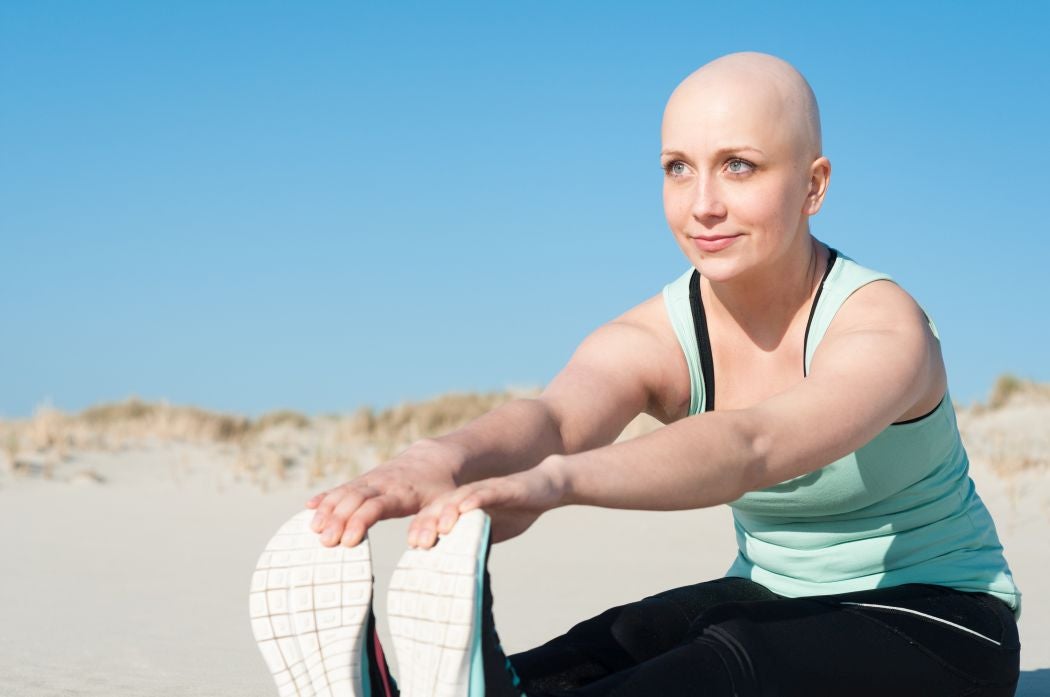
Staying active during and after cancer treatment can help you feel stronger, reduce fatigue, and support your recovery. Even small amounts of movement can make a difference — just check with your health care team before getting started.1
Why Exercise Matters
Many people with cancer experience fatigue and weakness, either from the cancer itself or as a side effect of treatment.2 The good news is that regular physical activity can help at every stage — before, during, and after treatment.1
Exercise has been shown to:
- Improve your quality of life1–3
- Help you manage daily tasks more easily1
- Reduce treatment side effects and support recovery1–3
- Strengthen muscles and bones1–3
- Improve sleep and boost your mood1–3
- Help maintain a healthy weight1
- Support heart and lung health1,3
- Provide opportunities to socialise and feel more connected1
You don't need to be an athlete to benefit. The key is to start gently and build up at your own pace.1
Before You Begin
Always speak with your doctor or another member of your health care team before starting any new physical activity. They can help you understand what's safe, what to avoid, and how to get started in a way that works for you.1–3
You may also benefit from seeing an accredited exercise physiologist or physiotherapist with experience in cancer care. They can create a personalised plan that fits your current health, treatment stage, and goals.1–3
How Much Exercise Should I Aim For?
Do what you can, when you can. Some days will be harder than others — and that's okay. Even a few minutes of light movement is better than none.1–3
If your health care team says it's safe, try to work towards:
- At least 2½ hours of moderate-intensity aerobic activity (like brisk walking) or 1¼ hours of vigorous activity (like jogging or cycling) each week1
- 2–3 sessions of strength or resistance training each week1
- Moving more and sitting less — try to break up long periods of sitting when you can1
These are general guidelines. Your doctor or an accredited exercise physiologist can help tailor a plan that suits your needs and energy levels.1–3
Getting Started: Small Steps Make a Big Difference
Starting an exercise routine can feel overwhelming, especially if you haven't been active for a while. But you don't have to do it all at once. Begin with small, manageable changes and build from there.1–3
Here are some simple ways to add more movement into your day:4,5
- Pedal a stationary bike while watching TV
- Take the stairs instead of the lift
- Walk to nearby shops or appointments
- Stretch or take short walks during work or rest breaks
- Use a step counter or app to track your steps and set small goals
- Invite a friend or family member to join you — it can help with motivation
- Join a local walking group or gentle exercise class
Even short bursts of activity can help improve your energy, mood, and strength.1–3
References:
1. Cancer Council Victoria. Exercise and cancer: Overview [Internet]. Melbourne: Cancer Council Victoria; 2023 [cited 2025 Dec 18]. Available from: https://www.cancervic.org.au/get-support/guides/managing-daily-life/exercise/exercise-overview
2. Cancer Council Australia. Fatigue [Internet]. Sydney: Cancer Council Australia; 2023 [cited 2025 Dec 18]. Available from: https://www.cancer.org.au/cancer-information/cancer-side-effects/fatigue
3. Better Health Channel. Cancer – exercise to help you cope [Internet]. Melbourne: Victorian Government; 2024 [cited 2025 Dec 18]. Available from: https://www.betterhealth.vic.gov.au/health/conditionsandtreatments/cancer-exercise-to-help-you-cope
4. NSW Health. Get Active – Get Healthy NSW [Internet]. Sydney: NSW Ministry of Health; 2024 [cited 2025 Dec 18]. Available from: https://www.gethealthynsw.com.au/healthier-you/get-active
5. Cancer Council Victoria. Starting to exercise when you have cancer [Internet]. Melbourne: Cancer Council Victoria; 2023 [cited 2025 Dec 18]. Available from: https://www.cancervic.org.au/get-support/guides/managing-daily-life/exercise/getting-started
Know more about the subject

Navigating Nutrition: Colon Cancer Diet Advice
Eating well and following a balanced, nutritious diet is one of the best ways you can prepare for colon cancer treatment1. But what is a healthy ‘colon cancer diet’?

The Cancer Diagnosis’ Psychological Impact
Anxiety, irritability, apathy, sadness, and depression are common feelings amongst cancer patients.1

Going Back to Work and the Social Scene after Cancer Treatment
"Support from family and friends makes things easier, but you need to be mentally prepared and focus on what you need to do."
Test Article

Complementary Therapies to Reduce Cancer’s Side Effects
They have scientifically-proven benefits and can be used to improve patients’ well-being.1