Safe food handling with a weakened immune system
Proper food handling is important if your immune system is weak. Find helpful tips for preparing meals and food choices when eating out.
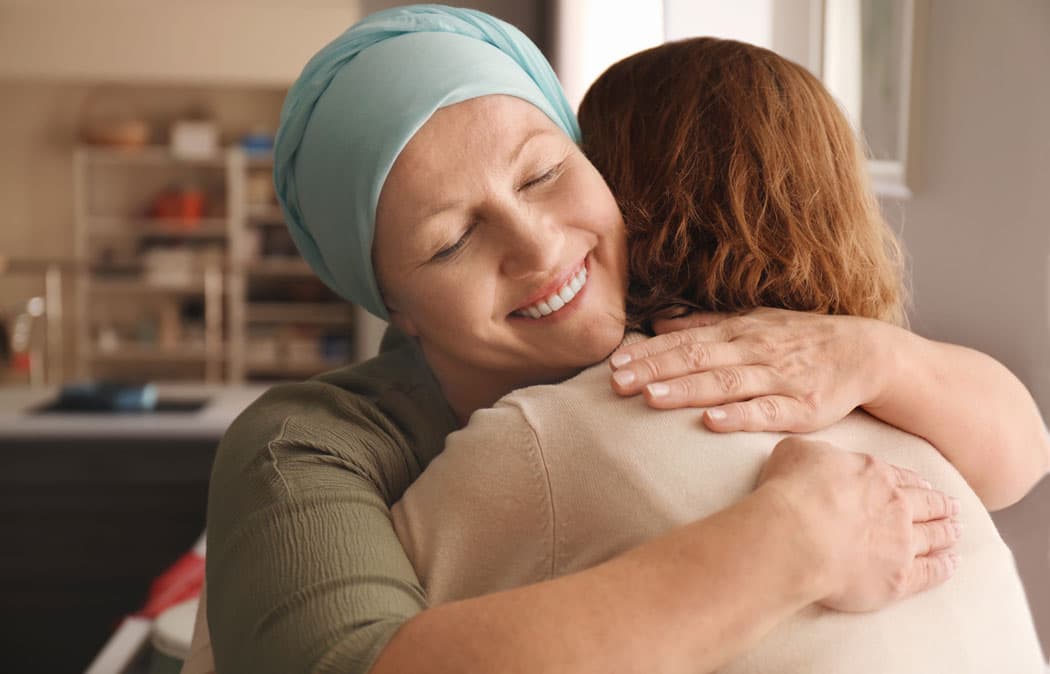
Cancer and some cancer treatments can weaken your immune system, making it harder to fight infections. With a weakened immune system, you are more likely to get sick or develop food poisoning. That’s why it’s important to take special care when handling and preparing food 1,2.
Tips for Safe Food Handling at Home
- Wash your hands before and after handling food. Use warm, soapy water and wash for at least 20 seconds 1,2.
- Keep raw meats and seafood separate from uncooked foods like fruit and vegetables. Use a separate cutting board for raw meat 1,3.
- Use a food thermometer to check that meats have reached the recommended safe internal cooking temperatures (see chart below) 3.
Safe Minimum Internal Temperatures 3
Safe Minimal Internal Temperatures (Temperatures Taken Using a Meat Thermometer) | |
| Beef, pork, veal, & lamb | 63°C / 145°F within a 3 minute “rest-time” after being removed from heat |
| Ground meats | 70°C / 160°F |
| Poultry (whole poultry, pieces, or ground) | 74°C / 165°F |
| Eggs and eggs dishes | 70°C / 160°F, firm white and yolk |
| Leftovers, casseroles, & hotdogs | 74°C / 165°F |
| Fish | 63°C / 145°F |
| Shrimp, lobster, & crab | Flesh pearly & opaque |
| Clams, oysters, & muscles | Shells open during cooking |
| Scallops | Milk white, opaque and firm |
- Avoid raw or undercooked fish, seafood, meat and eggs, including sushi, oysters, cookie dough and steak tartare 1,3.
- Heat hot dogs, deli meats and luncheon meats until steaming hot 1.
- Wash fruit and vegetables under cold running water—even those with skins or rinds you don’t eat, and pre-packaged items labelled “pre-washed”. Use a vegetable brush for firm produce 1,2.
- Avoid raw milk and cheese; choose pasteurised dairy products only 1.
- Refrigerate leftovers as soon as possible and eat within 72 hours. Reheat leftovers to the proper internal temperature 1,3.
- Throw out any packaged or fresh foods that have passed their use-by date 1.
Making Safe Food Choices When Eating Out
- Order foods that are freshly prepared to order 1.
- Avoid self-service areas such as salad bars and buffets, where many hands have touched the food 1.
- Ask for eggs, meat, poultry and fish to be cooked to safe minimum internal temperatures or order them well done 3.
- Avoid shared open containers like dressings and condiments 1.
References:
1. Cancer Council NSW. Food safety during cancer treatment [Internet]. Sydney: Cancer Council NSW; 2025 [cited 2025 Nov 18]. Available from: https://www.cancercouncil.com.au/cancer-information/living-well/nutrition-and-cancer/treatment-side-effects-and-nutrition/food-safety/
2. eviQ. Food safety during cancer treatment – Information for patients [Internet]. Sydney: Cancer Institute NSW; 2023 [cited 2025 Nov 18]. Available from: https://www.eviq.org.au/patients-and-carers/side-effects/food-safety
3. Food Standards Australia New Zealand (FSANZ). Safe food handling and cooking temperatures [Internet]. Canberra: FSANZ; 2024 [cited 2025 Nov 18]. Available from: https://www.foodstandards.gov.au/consumer/safety/Pages/default.aspx
Know more about the subject
Navigating Nutrition: Colon Cancer Diet Advice
Eating well and following a balanced, nutritious diet is one of the best ways you can prepare for colon cancer treatment1. But what is a healthy ‘colon cancer diet’?

Complementary Therapies to Reduce Cancer’s Side Effects
They have scientifically-proven benefits and can be used to improve patients’ well-being.1

How Should I Change My Diet After Being Diagnosed?

Crucial Points in the Doctor-Cancer Patient Relationship
One of the principles of the doctor-patient relationship is the patient’s right to know and decide on everything that involves their health.
Cancer: What Is It, Risk Factors and Stages
It’s only natural to feel scared and anxious after receiving such news, but treatments have come a long way, and the chances of recovery greatly increase with an early diagnosis.1

How to Keep a Good Mental Health After Going Through Cancer Treatment
Psychological follow-up and other therapeutic approaches are helpful for promoting wellness and avoiding negative emotions after the treatment has ended1